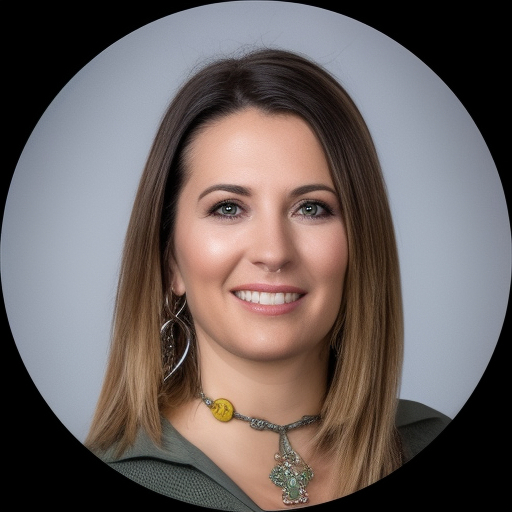
Anntoinette Titus
LCSW
Compassionate therapist blending meaning with practical skills
- Stress, Anxiety
- Addictions
- Relationship
Clinical social work directory
25 therapists in this directory hold a licence issued in Utah and name existential therapy among their approaches. Sessions are online; a US therapist can usually only see people in a state where they hold a licence, so check the credentials panel on each profile.
Welcome if you are searching for online therapy options in Utah. All therapists listed on this page are licensed to practice in Utah, and you can explore profiles to learn about their approaches, languages, and credentials.
Use the listings below to review therapist specialties and read more about how online therapy works in Utah before reaching out to someone who may be a good fit for you.
LCSW
Compassionate therapist blending meaning with practical skills
LCSW
Therapist focused on meaning and practical change
LCMHC
Compassionate counselor focused on values and coping
LCMHC
Existential-informed counselor focusing on meaning and coping
LMHC, LCMHC
Compassionate, direct therapy for lasting change
LCMHC
Practical therapy for confidence and meaning
LCMHC
Existential-informed counselor focused on relationships and coping
LCMHC
Compassionate, practical therapy for life's challenges
LPC, LCMHC
Experienced clinician for addiction and existential concerns
LMFT
Compassionate therapist focused on meaning and relationships
LCMHC
Helping people build steadier, more satisfying lives
LCSW
Experienced LCSW guiding practical personal change
LCMHC
Practical, values-focused mental health support
LCMHC
Understanding life choices with practical tools
UT Psychologist
Existential-informed psychologist focused on meaning and coping
LCMHC, LPC
Practical guidance with reflective depth
UT Psychologist
Existential-informed psychologist focused on practical change
LCMHC
Compassionate counselor for life’s hard moments
LCSW
Insightful, practical therapy for everyday life
LCSW
Calm, practical therapy for life transitions
LMHC, LPC
Compassionate guide for practical and meaningful change
LMFT
Experienced LMFT focused on relationships and meaning
LCMHC
Supportive existential counselor focused on practical change
Some links on this page are partner links. We will earn a commission if you sign up through one, at no cost to you. It does not change what you pay or the order of the listings.
Online therapy in Utah has become a well-established way for people to access mental health support from wherever they live. You can expect to find clinicians who offer sessions by video or phone, and therapists who list particular approaches among their offerings. Because licensure is managed at the state level, therapists who provide services to people in Utah must hold the appropriate Utah credential. That means when you choose an online therapist for work related to mood, relationships, life transitions, or existential concerns, you are engaging with someone who is authorized to practice in this state.
Therapists in Utah may work with adults, adolescents, couples, or families, and many list specialties such as anxiety, depression, grief, trauma, or identity exploration. Some clinicians highlight secular existential approaches while others combine interpersonal, cognitive, or experiential methods. Since online therapy crosses geography, you can connect with professionals in urban centers like Salt Lake City as well as clinicians who practice from smaller communities, giving you access to a broader mix of languages and backgrounds than you might find locally.
Online therapy removes the need to commute to an office and can make scheduling easier around work, school, or family responsibilities. You can meet with a clinician from your home, from a car between errands, or from a quiet room while traveling, so long as you have a reliable internet connection and a place where you feel comfortable talking. That convenience can reduce the friction of starting or continuing therapy and make it easier for you to maintain consistent sessions over time.
Beyond convenience, online therapy often expands the range of clinicians you can consider. If you prefer a therapist who speaks a particular language or has experience with a specific life stage or cultural background, you may find more matches when geography is not a limiting factor. Some people find it easier to open up through a screen, while others value the visual cues of a video session. You can consider these personal preferences when deciding whether online therapy is right for you. Online formats also allow you to explore different therapeutic approaches from clinicians who list a variety of orientations among their methods.
Online therapists in Utah commonly work with people facing a wide range of concerns. Many clinicians report working with anxiety, depression, stress related to work or school, relationship challenges, grief and loss, identity questions, and life transitions such as career changes or moving. Some therapists list trauma-focused approaches among their methods, and others note experience with chronic health-related stress or caregiving roles. Therapists may also offer support for existential questions about meaning, values, and purpose, and for navigating cultural or spiritual beliefs that shape how you experience life.
When you read therapist profiles, you will see a variety of therapeutic approaches listed. Some therapists list cognitive behavioral approaches among their methods, others note psychodynamic or humanistic orientations, and some list acceptance and commitment approaches or emotion-focused strategies. If you are interested in modalities such as EMDR or narrative work, look for language that indicates therapists who list those approaches among their offerings rather than assuming a particular credential. The important factor is how the clinician describes their focus areas and how those align with what you want to address in therapy.
Before you engage with a therapist in Utah, you can verify their licensure through the state licensing board. Licensure information is public and typically includes the clinician's license type, the license number, and whether there are any active restrictions or disciplinary actions. You can search by name or license number on the Utah Division of Occupational and Professional Licensing website to confirm that the therapist holds a current Utah credential appropriate for the services they provide.
When you check a license, pay attention to the license type listed. Common credentials include licensed professional counselors, licensed clinical social workers, marriage and family therapists, and psychologists. Each license denotes a different scope of practice and regulatory framework. If you have questions about the meaning of a license type or about what you see in a public record, the state board can provide guidance. Verifying licensure helps you make an informed choice and gives you a clear starting point for questions about professional accountability.
Getting started with an online therapist begins with clarifying what you want from therapy. Take a moment to identify the main concerns you want to address, whether symptom relief, a deeper exploration of meaning, support during a transition, or help improving relationships. Use those priorities to guide your search through profiles that describe focus areas, years of experience, and the populations a clinician works with. You can also note the languages listed and whether the therapist mentions working with specific cultural or identity concerns that matter to you.
When you contact a therapist, prepare a few questions that will help you assess fit. Ask about the clinician's approach to the goals you named, how they describe progress, typical session length, and what to expect in early sessions. You may want to check whether they list particular approaches among their methods and how they integrate multiple modalities into treatment. It is reasonable to ask about logistics such as session format and fees, and whether they accept your insurance or offer a sliding scale. Choosing a therapist is often about finding a personal fit as much as matching credentials and specialties. Meeting with a clinician for an initial conversation can give you a sense of whether their style and focus align with your needs.
If a therapist's profile highlights work with issues similar to yours and you feel heard in an initial conversation, that can be a sign of a promising fit. If after a few sessions the approach does not feel helpful, it is reasonable to discuss this with your therapist or to seek a different clinician whose emphasis aligns more closely with your goals. You can refine your search by focusing on clinicians who list the specific concerns you want to address, who use approaches that resonate with you, and who communicate clearly about expectations for progress. Trusting your judgment about how a therapeutic relationship feels is an important part of the process.
Finally, practical preparation will help your sessions go smoothly. Choose a quiet, comfortable environment where you will not be interrupted, check your device and internet connection, and set realistic goals for what you hope to achieve over several sessions. With thoughtful preparation and attention to fit, online therapy can be an effective way to access professional support while living in Utah.