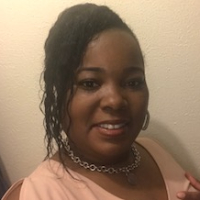
Dr. Tanya Harrell
LPC
Helping people find purpose and practical coping tools
- Stress, Anxiety
- Family
- Trauma and abuse
Clinical social work directory
56 therapists in this directory hold a licence issued in Louisiana and name existential therapy among their approaches. Sessions are online; a US therapist can usually only see people in a state where they hold a licence, so check the credentials panel on each profile.
Welcome to our directory of online therapists for Louisiana residents. All therapists listed here are licensed in Louisiana. Explore profiles to compare approaches, languages, credentials, and experience to find a good match.
LPC
Helping people find purpose and practical coping tools
LPC
Compassionate counselor blending meaning and skills
LPC
Existential-minded counselor who blends values and skills
LPC
Compassionate, practical counseling for real life
LPC
Compassionate, practical counseling for life transitions
LCSW
Compassionate, practical therapy for everyday struggle
LPC
Existential-minded LPC helping with life challenges
LPC
Guidance for meaning and practical change
LPC
Calm, practical counseling for real-life struggles
LPC
Compassionate counselor focused on meaning and coping
LPC
Experienced counselor focused on meaning and practical change
LPC
Counseling that focuses on meaning and practical change
LPC
Compassionate counselor focused on meaning and change
LPC, LMHC
Practical counseling for clearer life direction
LPC, LMFT
Existential-informed therapist focused on meaning and action
LPC
Existential-informed counselor for life transitions
LPC
Insightful counselor focused on meaning and change
LPC
Compassionate counselor guiding practical change
LCSW
Practical, compassionate therapy for life’s crossroads
LPC
Thoughtful, direct counseling for everyday struggles
LCSW
Experienced LCSW helping people find meaning and coping skills
LPC
Compassionate counselor focused on meaning and change
LPC
Compassionate counselor focused on meaning and practical change
LMFT, LPC
Experienced Louisiana therapist focusing on meaning and skills
LCSW
Practical, person-focused support for life’s hard moments
LPC
Compassionate counselor blending practical and reflective work
LPC
Experienced counselor focused on meaning and coping
LMFT, LPC
Calm, practical therapy for life's hard moments
LPC
Experienced counselor blending reflection with action
LPC
Compassionate counselor focused on practical change
LCSW
Compassionate social worker focused on meaning and change
LPC
Empathetic counselor focused on meaning and coping
LPC
Empathetic counselor helping people find direction
LPC
Therapist focused on meaning and practical change
LMFT, LPC
Existential-minded counselor with practical tools
LPC
Practical counseling for life transitions
LPC, LMFT
Experienced counselor focusing on practical change
LPC
Practical, meaning-focused therapy for everyday struggles
LPC
Existential-minded counselor helping people find meaning
LCSW
Compassionate, experienced Louisiana LCSW
LCSW
Existential and person-centered guidance for life changes
LPC
Practical support for stress, parenting, and purpose
Some links on this page are partner links. We will earn a commission if you sign up through one, at no cost to you. It does not change what you pay or the order of the listings.
If you live in Louisiana and are considering online therapy, you will find that many clinicians offer remote sessions of one form or another. Online therapy has become a routine way for people to connect with counselors, psychologists, and social workers from home, from work, or while traveling within the state. The clinicians featured in this directory hold Louisiana licenses and list a range of specialties and approaches. That means when you review profiles you will see therapists who describe their work with individuals, couples, families, or specific populations, and who mention approaches such as cognitive behavior oriented methods, psychodynamic work, mindfulness informed care, or trauma-focused approaches like EMDR among their approaches.
Because licensing rules generally focus on where the client is located during a session, clinicians who provide online care to people in Louisiana will typically maintain a Louisiana license. Our listings are limited to therapists who meet that requirement so you can focus on fit rather than licensing status. Online therapy programs and platforms vary in the way they manage scheduling, documentation, and payment, but the essential experience you will pay attention to is the clinician-client relationship, the therapist's communication style, and how their described experience matches your needs.
Online therapy can remove logistical barriers that sometimes make traditional in-person care harder to access, especially in a state with both urban centers and wide rural areas. If you live in a smaller town you may not have many local choices for a particular specialty or language, so remote sessions expand the pool of clinicians who can meet your needs. For people with tight schedules, caregiving responsibilities, or transportation limits, the ability to have sessions from a quiet corner of your home, a parked car during a break, or another safe setting can increase the likelihood that you will keep appointments and maintain momentum with therapy.
Many people also appreciate the flexibility of different session formats. Some therapists offer video calls that preserve visual cues, while others work by phone or through text-based messaging for greater convenience. You might find therapists who list different therapeutic approaches and who describe how they structure remote sessions, including how they adapt practices like mindfulness, exposure exercises, or interpersonal exploration to an online format. Think about what will help you feel most comfortable and able to engage - ease of use, a stable internet connection, and a place where you can talk without interruption will make remote therapy feel more effective and practical for your daily life.
Online therapists in Louisiana work with a broad range of concerns that include, but are not limited to, stress and anxiety, depression, relationship difficulties, grief, life transitions, and trauma reactions. You will also find clinicians who describe experience working with identity related concerns, workplace stress, parenting and family dynamics, and the challenges of managing chronic illness or pain. Because many therapists list multiple approaches, you can look for clinicians who combine relational work with skills-based strategies or who integrate contemplative practices like mindfulness with emotion-focused techniques.
If you have a specific issue in mind, search listings for therapists who mention that focus in their profiles. Some clinicians describe populations they work with such as adolescents, older adults, veterans, or LGBTQIA people, and some note the languages they speak. When a therapist lists EMDR, CBT, interpersonal therapy, or other methods among their approaches, that indicates the techniques they may draw on in sessions rather than formal certification being implied. Use those descriptions to narrow your search to profiles that describe an approach and experience you want to explore further.
Verifying a therapist's license is a practical step that helps you confirm they are authorized to practice in Louisiana. Start by locating the license number and the type of license listed on the clinician's profile. The information you want to confirm includes the license type, the status, the expiration date, and whether any disciplinary actions are recorded. State licensing boards typically maintain an online lookup tool where you can enter a name or license number and view current status and public records related to the license.
If you prefer, you can contact the licensing board by phone or email to request verification or clarification. When you search online, use terms such as Louisiana license lookup or Louisiana therapist license verification along with the clinician's professional title. Board sites sometimes include guidance on what a license status means, common grounds for discipline, and how to interpret public records. If a therapist practices under a different professional title such as counselor, social worker, or psychologist, make sure you are checking the correct board for that license category.
Beginning online therapy is a process that benefits from a little preparation. Decide what you want to accomplish from therapy - whether it is symptom relief, improved relationships, better coping strategies, or a deeper exploration of meaning and values. As you read therapist profiles, note the clinicians who mention work with concerns similar to yours and who describe approaches that resonate with you. Pay attention to languages spoken and whether a therapist lists experience with the life stage or cultural background that matters to you.
When you reach out to a therapist, you may be asked about basic logistics like the length and format of sessions, fees, and how payment is handled. Prepare questions about session structure - for example, whether sessions are typically conversational, include structured homework, or use guided exercises. Think about where you will sit for sessions so you can speak without interruptions and so you will feel comfortable discussing sensitive topics. Have a list of relevant details ready, such as any current medications, previous therapy experiences you found helpful or not helpful, and what you want to prioritize in the early weeks of work together.
Choosing the right therapist is as much about fit as it is about credentials. Read profiles with an eye toward communication style and therapeutic emphasis. Some clinicians highlight a relational, exploratory approach while others emphasize skill building and symptom management. You might be drawn to therapists who list contemplative practices, those who list family systems perspectives, or those who mention trauma oriented work. Because profiles reflect how therapists describe their practice, look for language that aligns with how you like to be supported - for instance clearer direction and tasks or a gentle, reflective exploration of meaning.
It is reasonable to prioritize practical factors like languages spoken, years of professional experience, and stated populations of focus. Consider contacting two or three therapists whose profiles feel promising. The initial conversation with a clinician can give you a sense of their listening style, the kinds of questions they ask, and whether you feel heard. Over time, you will know if the approach is helping you make the changes you want. Trust your sense of whether the therapist feels respectful, engaged, and able to work with the issues you brought to therapy. Finding a good match increases the likelihood that therapy will be a useful investment in your well being, and taking the time to explore options is a practical step you can control in pursuit of positive change.