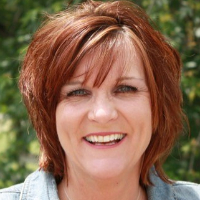
Debby Sawyer
LIMHP
Experienced LIMHP guiding practical life changes
- Stress, Anxiety
- Trauma and abuse
- Self esteem
Clinical social work directory
18 therapists in this directory hold a licence issued in Nebraska and name existential therapy among their approaches. Sessions are online; a US therapist can usually only see people in a state where they hold a licence, so check the credentials panel on each profile.
Welcome to our Nebraska directory for licensed online therapists. Every therapist listed here holds a Nebraska license to practice and offers remote sessions to state residents. Explore profiles to learn about each clinician's approaches, focus areas, credentials and languages.
LIMHP
Experienced LIMHP guiding practical life changes
LMHC, LIMHP
Compassionate, person-centered therapy focused on meaning
LMHP
Therapist for life transitions and relationships
LIMHP, LMHP
Compassionate, goal-focused therapy for life challenges
LIMHP
Grounded, practical therapy focused on meaning and coping
LIMHP
Compassionate therapist focused on meaning and coping
LMHP
Practical, values-focused therapy for life and relationships
LIMHP
Experienced clinician helping people find meaning and tools
LMHC, LIMHP
Compassionate guidance for meaning and change
LMHC, LIMHP
A practical listener who helps reshape life stories
LICSW, LIMHP
Compassionate, practical therapy for life’s big problems
LMHP
Compassionate therapist for life transitions
LIMHP
Experienced counselor focusing on life changes
LIMHP, LMHP
Compassionate therapist guiding steady, practical change
LIMHP
Existential and person-focused counselor
LMHP
Compassionate, practical support for life’s challenges
Some links on this page are partner links. We will earn a commission if you sign up through one, at no cost to you. It does not change what you pay or the order of the listings.
Online therapy has become an established option for many people in Nebraska who want to work with a clinician from their home, workplace or another convenient location. Teletherapy in the state is offered by professionals who hold appropriate Nebraska licenses and who provide services within the state's regulatory framework. You can find clinicians who indicate they work with adults, adolescents, couples and families, and who describe experience with a wide range of concerns. Because online sessions remove the need to travel to an office, you can access clinicians across different cities and regions of Nebraska without geographic limits within the state.
When you seek an online therapist in Nebraska, you will notice a mix of professional backgrounds and approaches. Some therapists emphasize talk-based interventions, others mention experiential or narrative work, and some list techniques like cognitive-behavioral approaches or EMDR among their approaches. Those listings reflect how each clinician describes their work and do not function as proof of a particular certification. The important point is that you can find clinicians whose described approaches and focus areas match what you hope to address in therapy.
Online therapy can reduce barriers that make in-person care difficult. If you live in a rural area or have limited transportation options, remote sessions can save you travel time and let you schedule therapy around school, work and family commitments. You may also find that some clinicians offer evening or daytime sessions more easily when they provide services online, which can fit better with your routine. For people who feel more comfortable speaking from a familiar setting, remote sessions can foster easier access to honest conversations.
Therapy offered remotely can also expand the range of clinicians you can consider. You are not limited to providers within a single town, so you can prioritize a therapist whose experience, approach or language skills match your needs. For example, you might find someone who lists experience with grief and loss, or a clinician who lists culturally informed approaches that resonate with your background. Technology also allows continuity of care if you move within Nebraska or travel temporarily, because you can continue sessions with the same clinician as long as they are practicing within the state.
In online therapy you can address the same kinds of concerns that are often worked on in face-to-face sessions. Many therapists describe experience with mood concerns such as depression and anxiety, with stress related to work or caregiving, and with relationship and family issues. You will also find clinicians who list an interest in life transitions, identity exploration, trauma-related symptoms and coping with chronic health conditions. When you read profiles, look for language about populations and concerns that match your situation, such as youth services, perinatal mental health, or support for people navigating career change.
Different clinicians will frame their approach in different ways. Some will describe structured approaches that emphasize skill building and symptom management, while others will describe exploratory work that focuses on meaning, values and life narrative. If you are interested in particular methods, note that many profiles indicate the approaches therapists use; the correct way to refer to such listings is to say therapists who list a given approach among their methods. Seeing an approach listed can help you identify clinicians whose methods align with what you hope to explore in therapy.
Verifying a therapist's license gives you confidence that they are authorized to practice in Nebraska. The most reliable step is to consult the state licensing board or department that oversees mental health professionals. You can search for a clinician by name or license number on the state licensing site to confirm that the license is active and to view basic licensure details. The official record will typically show the license type, issuance and expiration dates, and whether there are any disciplinary actions on file.
When you use the licensing search, pay attention to the license classification that matches the clinician's title, such as counselor, social worker or psychologist. If you have questions about what a particular license permits, you can look for explanatory materials on the licensing board's site or contact the board's public information office. Taking these steps helps you confirm credentials and learn more about how mental health practice is regulated in Nebraska without relying solely on profile summaries.
Starting therapy begins with clarifying what you want to address and what you value in a therapeutic relationship. Think about whether you prefer a clinician who emphasizes problem-solving and skill building or one who focuses more on exploration and personal meaning. Review therapist profiles to see how they describe their focus areas, approaches and experience. Profiles can also indicate languages spoken and whether a clinician mentions work with communities or life stages that relate to you.
Beyond approach and focus, you should look at practical details that affect how you will work together. Read about session format and typical session length on profiles, and note any information about fees, insurance or sliding-scale payment options. Also consider the technology the clinician uses - some therapists describe video sessions, phone options or a blend of methods - and decide what platform and setup will feel most comfortable for you. Make sure you understand the clinician's policies on cancellations and missed sessions, as these vary.
When you contact a clinician or arrange an initial conversation, you can ask questions that help you assess fit. You might ask how they typically structure early sessions, what kinds of goals they work toward with clients who have concerns similar to yours, and whether they have experience working with your demographic or cultural background. If a clinician lists specific approaches among their methods, you can ask them to describe how they use those approaches in practice and how they tailor work to individual needs. These conversations are about fit and style rather than outcomes, and they can help you decide whether to move forward.
Choosing a therapist is a personal decision, and your comfort and sense of safety in the therapeutic relationship matter a great deal. If after a few sessions you feel that the clinician's style or approach is not a good match, it is reasonable to look for someone whose methods or experience align more closely with your goals. Many people find that clarifying goals early and discussing them with the clinician helps ensure therapy is productive. Remember that the directory is a starting point to explore profiles, compare focus areas, approaches, credentials, languages and experience, and to connect with a practitioner who fits your needs.
Online therapy in Nebraska offers options that can adapt to your life and priorities. By reviewing profiles carefully, verifying licensure, and asking focused questions about methods and structure, you can find a licensed professional whose approach resonates with you. Use the listings to explore clinicians who describe work with the issues that matter to you and to begin the process of finding a therapeutic relationship that supports your next steps.